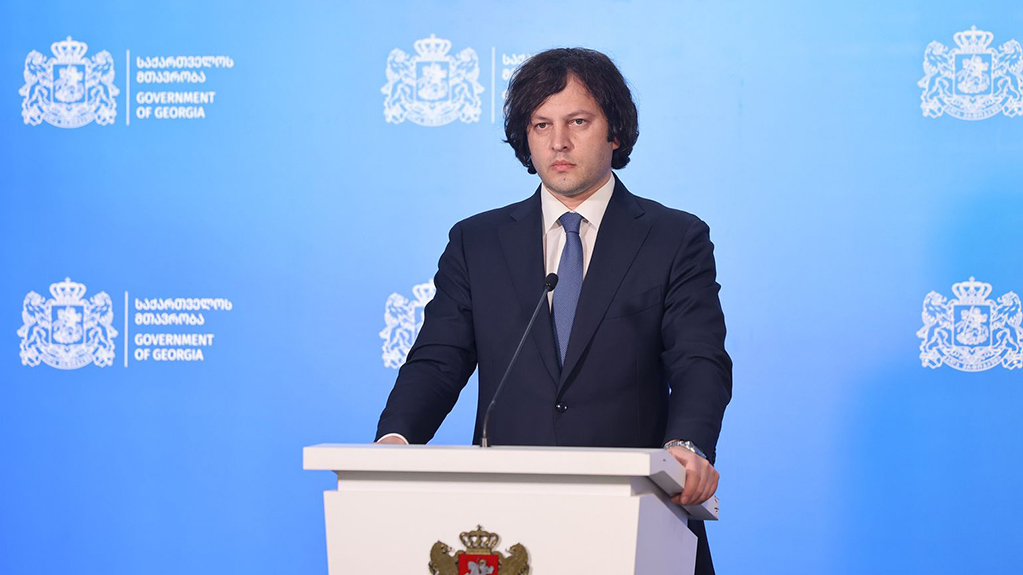
Georgian Dream Prime Minister Irakli Kobakhidze is demanding an apology from the British government over a journalistic investigation released by the British Broadcasting Corporation (BBC). The investigation found evidence indicating the use of the chemical substance “camite” against anti-government demonstrators in Tbilisi in late 2024.
News
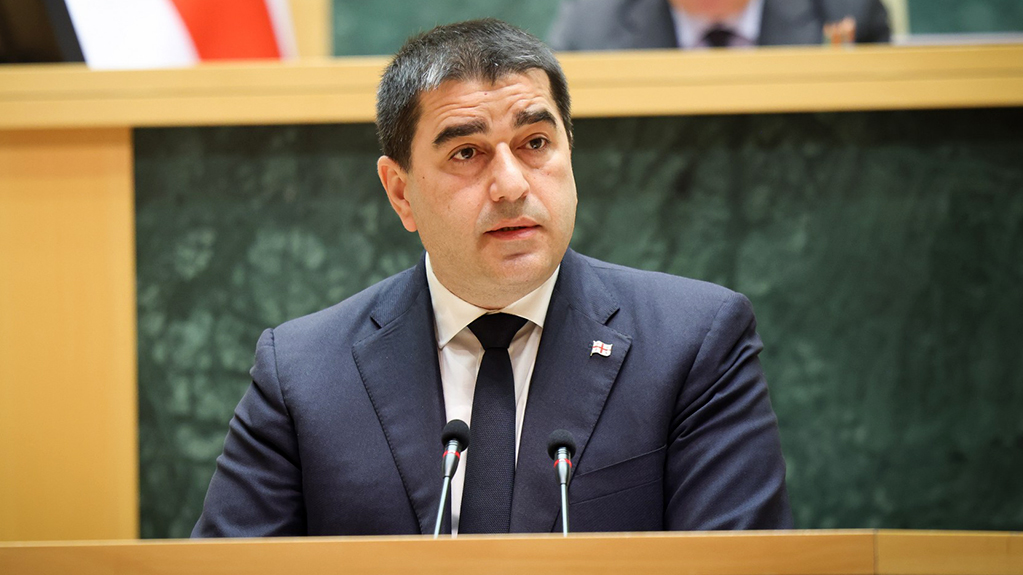
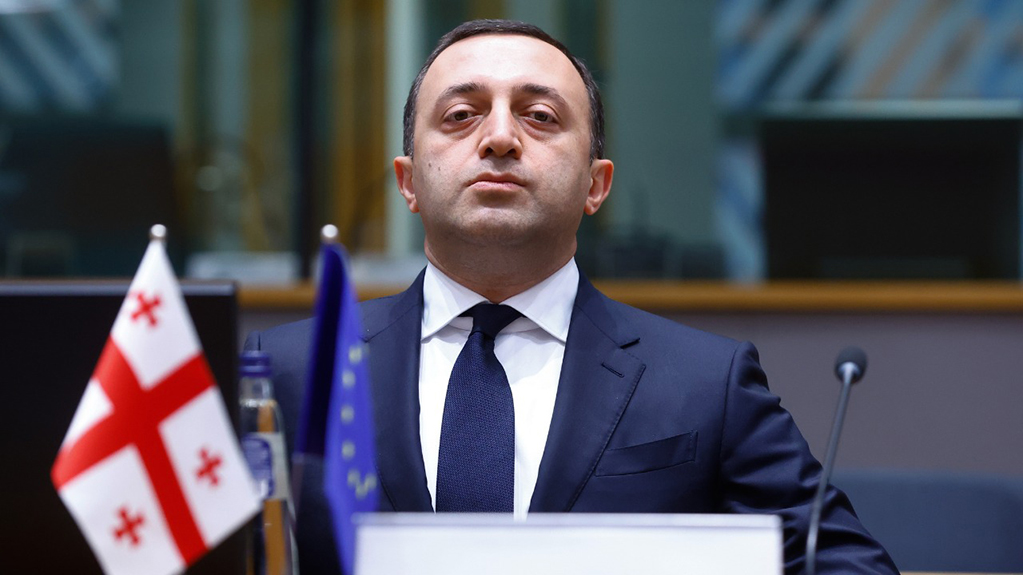


“I think Great Britain should apologise for the false news spread by the Public Broadcaster. Since the BBC is a public broadcaster funded directly by the public, the first step for Great Britain should be to apologise for the false story they spread,” Kobakhidze said, once again calling the journalistic investigation “an artificial attempt to create a scandal.”
Irakli Kobakhidze states that the Georgian Dream government will use all legal measures to compel the BBC to “apologise for the lies it spread.”
Georgian Dream plans to appeal to Ofcom, the British regulatory authority, and then “to the courts, if necessary.”
British Prime Minister Keir Starmer stated in November that he believes in a strong and independent BBC. He made this statement after the corporation was embroiled in a scandal related to US President Donald Trump.
“Some would rather the BBC did not exist. [...] I am not one of them. [...] Where mistakes are made, they do need to get their house in order, and the BBC must uphold the highest standards, be accountable and correct errors quickly. But I will always stand up for a strong, independent BBC”, the British Prime Minister said.
“When Water Burns: The Fight for Georgia” - The BBC World Service released a journalistic investigation with this title on November 30. The BBC managed to obtain a copy of the inventory from the Special Tasks Department, dated December 2019. Journalists found that it listed two unnamed chemicals, labelled “Chemical liquid UN1710” and “Chemical powder UN3439,” along with instructions for mixing.
UN1710 stands for trichloroethylene (TCE). The agent allows other chemical compounds to dissolve in water.
“Trichloroethylene easily penetrates the skin, lungs, and gastrointestinal tract. It impacts the nervous and cardiovascular systems, and it can also affect the liver. It is certainly not a chemical to be thrown at masses during protests. It is all about the dose, which makes the poison and the higher the dose, the more risks for complications,” says Christopher Holstege, Chief of Division of Medical Toxicology at the University of Virginia.
UN3439 was much harder to identify since, as the BBC explains, it is an umbrella code for a whole range of industrial chemicals, all of which are hazardous. The only one of these that the BBC found to have ever been used as a riot-control agent is bromobenzyl cyanide, also known as “camite.” The substance was first used by French forces in World War I and was soon withdrawn due to the long-lasting effects of exposure.
The Georgian Dream's State Security Service stated that under the codes indicated in the BBC material - UN1710 and UN3439 - the Ministry of Internal Affairs (MIA) purchased chlorobenzylidene malononitrile and the solvent trichloroethylene in 2007 and 2009. As part of the investigation, trichloroethylene was also seized at MIA. According to the SSSG, this involved 880 litres of written-off balance (remains).
As part of the five-day investigation, the MIA also seized the chemical substance "propylene glycol". The SSSG stated that “It was found that in early December 2024, specifically on the night of December 4-5, the substance 'chlorobenzylidene malononitrile' was used to control crowds, and 'propylene glycol' was used as a solvent. None of the above substances belongs to the category of prohibited substances,” said Lasha Maghradze, the First Deputy Head of the SSSG.
Chlorobenzylidenemalononitrile is also known as CS gas, or tear gas.
According to Georgian Dream Prime Minister Irakli Kobakhidze, the investigation has “unequivocally proven” that the Ministry of Internal Affairs did not use “camite” or any other prohibited substances when dispersing violent demonstrators last year.