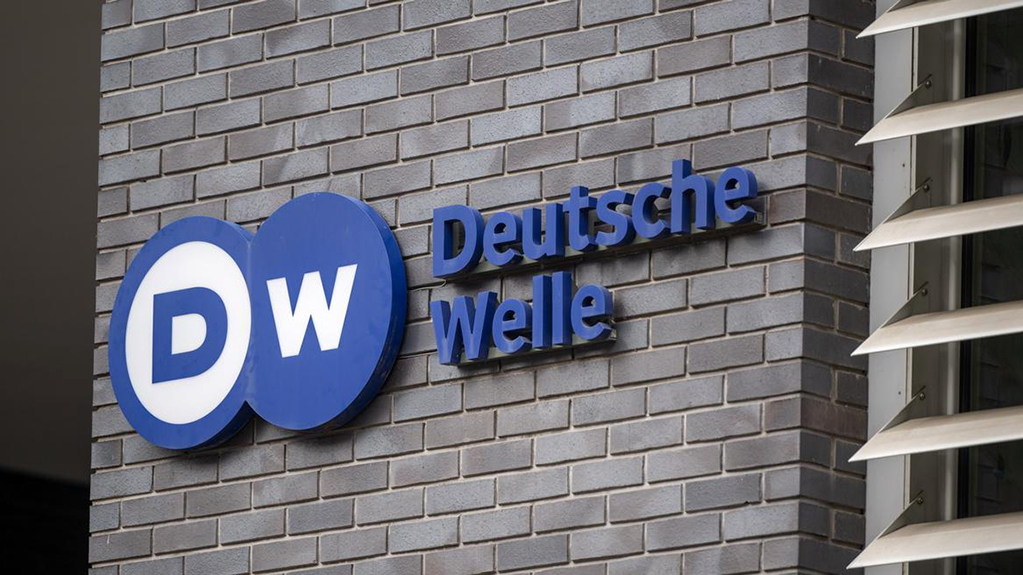
The Russian Ministry of Justice has listed Deutsche Welle (DW) as an “undesirable organisation.” Deutsche Welle is funded by the German government, but it is not a state-owned media company.
News
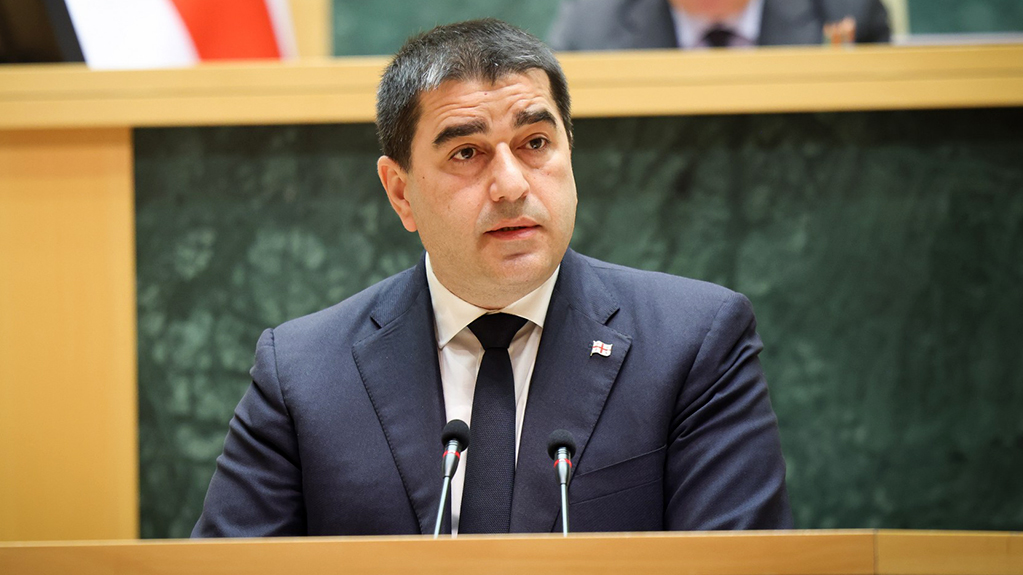



DW Director General Barbara Massing said the Russian government's decision “won’t deter” journalists.
“This latest attempt to silence free media highlights the Russian regime’s blatant disregard for press freedom and exposes its fear of independent information.
Despite censorship and blocking of our services by the Russian government, DW's Russian-language service now reaches more people than ever before.
We will continue to report independently on the war of aggression against Ukraine and other topics about which little information is available in Russia. So that people can form their own opinions,” stated Barbara Massing, Director General of Deutsche Welle.
The German government strongly condemned the decision against Deutsche Welle.
Since March 2022, the Russian government has labelled DW as a “foreign agent”. Russia uses this designation for individuals and media organisations funded from abroad.
DW reports that being labelled as an “undesirable organisation” signals further restrictions on the media company.
The Russian State Duma adopted legislative amendments in July 2024 that give the Russian authorities the power to declare any organisation with foreign government-linked founders or participants as “undesirable.” Cooperation with an “undesirable organisation” is a criminal offence punishable by high fines and imprisonment. Even sharing content from “undesirable” media outlets on social media could be considered as “cooperation.” Restrictions on working with “undesirable organisations” also apply to Russian citizens living outside the Federation.
290 organisations have already been added to the register of “undesirable organisations.” The list includes Russian-language media outlets such as TV Channel Dozhd and online publications Novaya Gazeta Europe and Meduza, as well as Radio Liberty, the investigative journalism group Bellingcat, and international organisation Reporters Without Borders.