


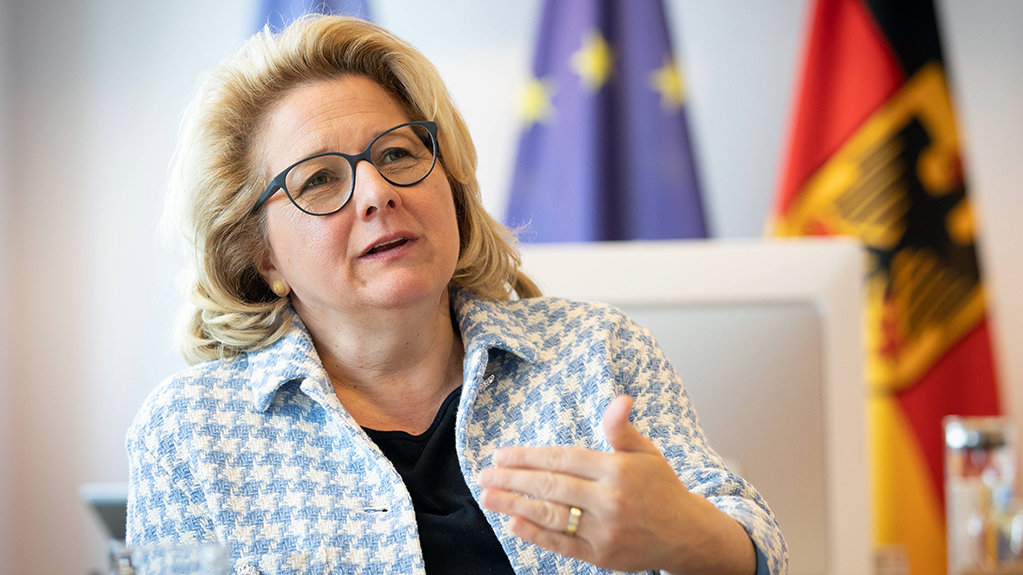
Svenja Schulze, the Head of the German Federal Ministry for Economic Cooperation and Development (BMZ), has responded to the Georgian government's decision to suspend accession negotiations with the European Union.
News
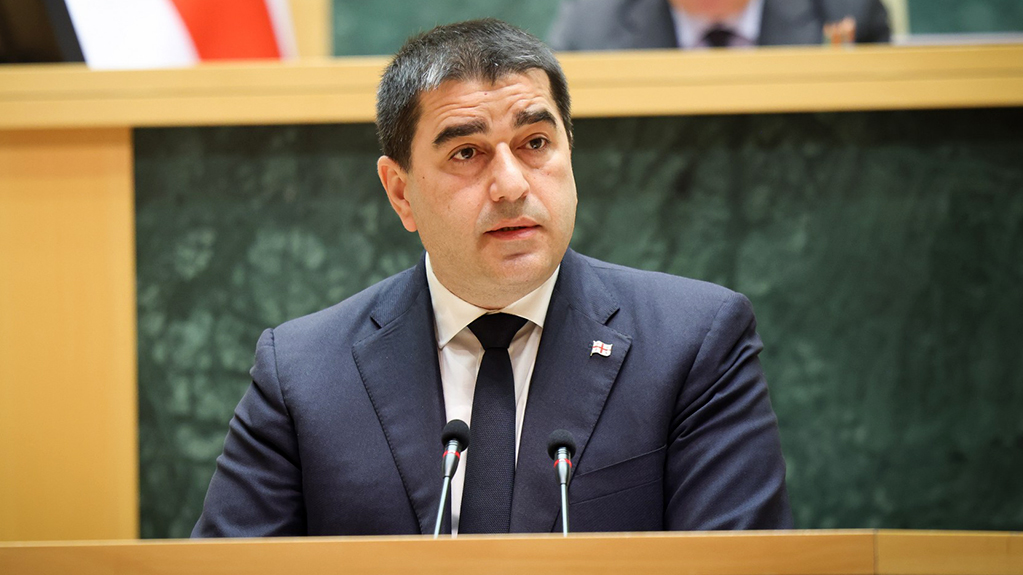
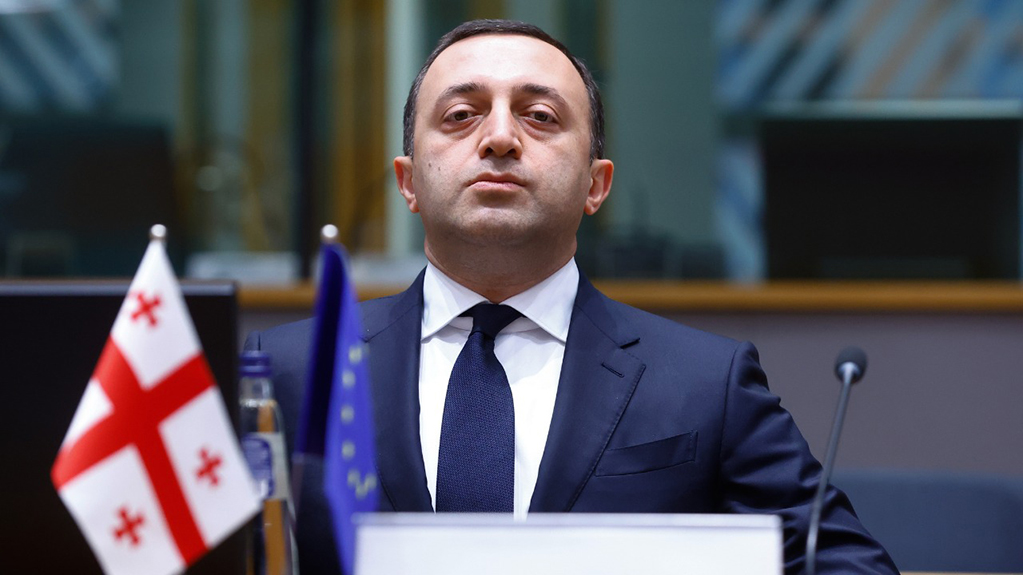


According to Svenja Schulze, with this decision, the Georgian government is temporarily denying its citizens the opportunity for a European future.
“The vast majority of Georgians support EU membership. Every day, people in Tbilisi and other cities take to the streets because they want a European Georgia. In addition, rapprochement with the European Union is also enshrined in the Constitution of Georgia,” said Svenja Schulze.
The minister also stated that under the Georgian Dream government, Germany will not implement any new projects with Georgia.
“With this Georgian government, this cooperation can no longer be implemented in essence. In the future, if at all, this commitment can be continued where it strengthens the country's European ties,” Schulze said.
She added that the BMZ reserves the right to take further measures in coordination with European and international partners.
“Since the adoption of the so-called Transparency Law in May of this year, no new development cooperation projects with Georgia have been promised,” the minister noted, emphasizing that previous cooperation was aimed at fostering Georgia’s rapprochement with the European Union and promoting its economic development.
On November 28, Georgia’s illegitimate Prime Minister, Irakli Kobakhidze, announced that Georgia would not include the issue of opening accession negotiations on its agenda until the end of 2028 and would refuse EU budget grants. This decision sparked protests in Tbilisi and other regions.