

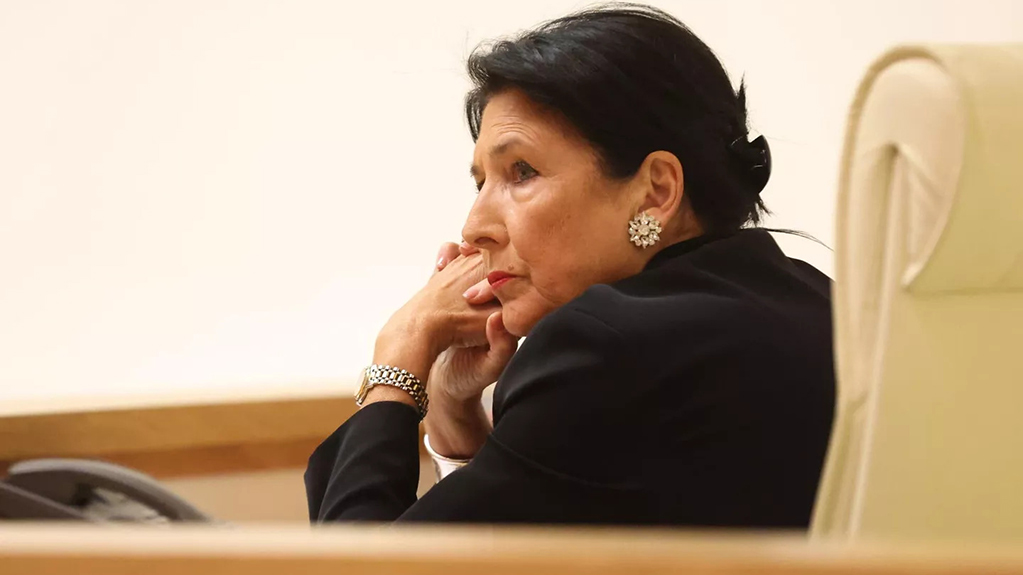
Georgian President Salome Zourabichvili will appeal the Russian Law on so-called Foreign Agents in the Constitutional Court. The Parliamentary Secretary of the President, Giorgi Mskhiladze, announced this during a briefing held today.
News
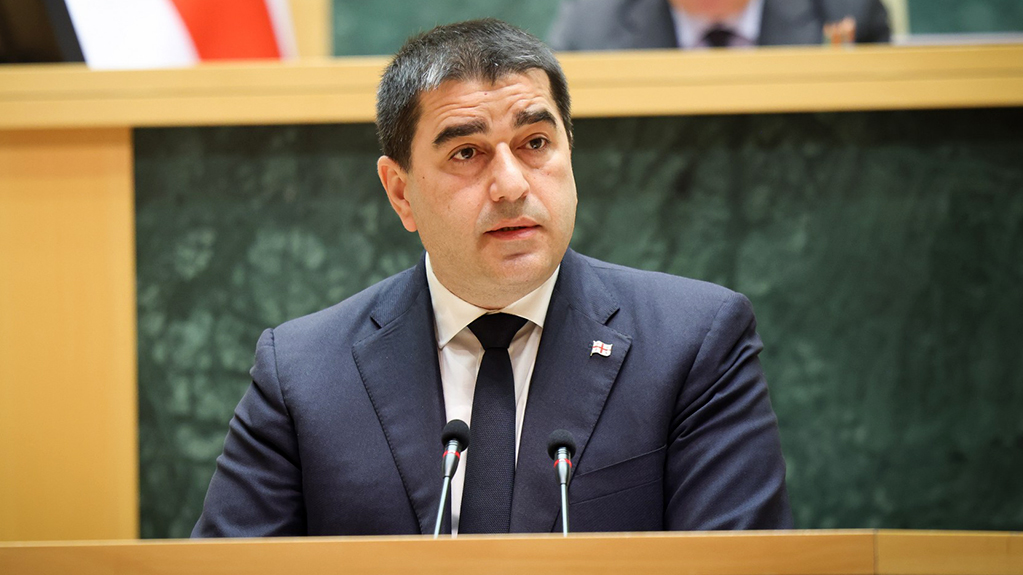
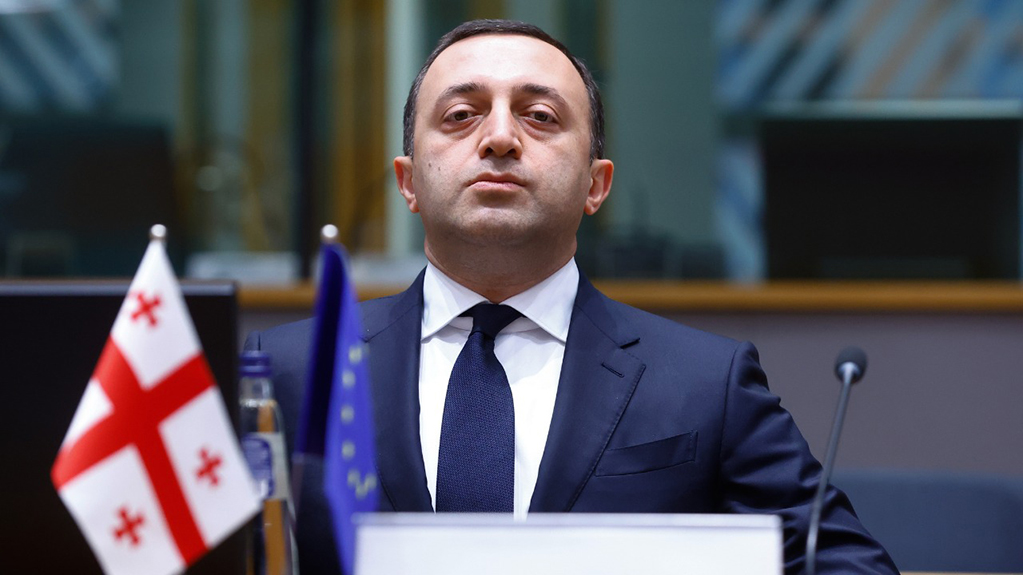



"For the first time, the President of Georgia is applying to the Constitutional Court of Georgia with a lawsuit. The lawsuit concerns the Foreign Influence Transparency Act, the so-called Russian law. This law is unconstitutional and contradicts Article 78 of the Constitution of Georgia. The lawsuit also challenges several norms that violate fundamental rights guaranteed by the Constitution. With this lawsuit, the President demands the suspension and final cancellation of the said law," Mskhiladze said.
The defendant in the Constitutional Court will be the Parliament of Georgia.
The parliamentary majority of Georgian Dream overcame the President's veto on May 28 and finally adopted the Russian Law. The law entered into force with the signature of the Speaker of the Parliament, Shalva Papuashvili.
According to the law, all non-governmental and media organizations receiving more than 20% of their income from grants provided by international organizations will have to register as organizations acting in the interests of a foreign power. Such organizations are required to apply to the public registry agency in August and request registration as an organization carrying out the interests of a foreign power.
Avoiding registration or failing to submit the financial declaration within the established period will result in a fine of 25,000 GEL. The law provides additional fines of 10,000 and 20,000 GEL for non-compliance with the requirements of the Ministry of Justice.
Additionally, the Ministry of Justice has the right to fine all persons (including individuals) 5,000 GEL for failing to submit requested information. The Ministry of Justice can request personal data, and commercial, professional, and confidential information from individuals.
More than a hundred public organizations and online publications have announced that they will not register in the "agents" registry. Some of these organizations plan to challenge the Russian law in the Georgian constitutional and European human rights courts.